
What Separates an Average Event From an Extraordinary Live Experience?
Summary
An event can have an impressive venue, a detailed schedule, and hundreds of attendees, yet still fail to leave a lasting impression. What makes a live experience truly extraordinary is not simply the scale of the production but the way […]
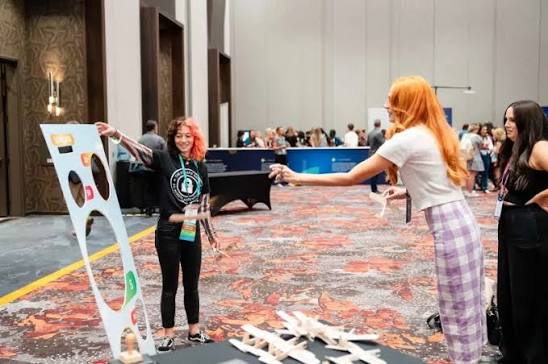
An event can have an impressive venue, a detailed schedule, and hundreds of attendees, yet still fail to leave a lasting impression. What makes a live experience truly extraordinary is not simply the scale of the production but the way every element works together to engage, inspire, and connect with the audience. From creative storytelling to advanced audiovisual technology, successful events require thoughtful planning and precise execution.
Whether organizing a corporate conference, product launch, exhibition, or industry gathering, understanding the elements that elevate an event can make the difference between a forgettable occasion and an experience attendees remember long afterward.
A Clear Vision That Shapes the Entire Experience
Extraordinary events begin with a well-defined purpose. Organizers must understand what they want attendees to experience, learn, or remember. Without clear objectives, even expensive production elements can feel disconnected from the overall message.
A strong event concept influences everything from venue selection and stage design to lighting, presentations, and audience activities. For example, a product launch focused on innovation might incorporate interactive displays, futuristic visuals, and immersive demonstrations.
When every production decision supports a central theme, the event feels cohesive rather than a collection of unrelated activities.
Creative Design That Captures Attention
Visual presentation plays a significant role in shaping audience expectations. An ordinary event might rely on basic banners, standard seating arrangements, and conventional stage setups. An extraordinary experience uses creative design to transform the environment into something memorable.
Thoughtful layouts, custom installations, digital displays, and coordinated lighting can establish a distinctive atmosphere. Businesses investing in trade show booth design in Orlando can apply these principles to create exhibition spaces that attract visitors while communicating their brand identity effectively.
However, successful design goes beyond appearance. It should also encourage movement, support meaningful interactions, and make information easily accessible to attendees.
Advanced Audiovisual Technology That Enhances Engagement
Sound, lighting, and visual technology can dramatically influence how audiences experience live events. Poor audio quality, inconsistent lighting, or unclear presentations can distract attendees and weaken important messages.
Professional audiovisual production ensures that speakers remain audible, presentations appear sharp, and lighting complements the atmosphere.
Large LED displays, projection mapping, synchronized lighting, and immersive sound systems can introduce additional dimensions to an event. These technologies are particularly effective when used strategically rather than simply added for visual impact.
The objective is to make technology feel like a natural part of the experience instead of allowing it to overshadow the event’s purpose.
Audience Participation Creates Lasting Connections
One major difference between average and extraordinary events is the level of audience involvement. Traditional formats often position attendees as passive observers, while memorable experiences encourage active participation.
Interactive demonstrations, live polling, collaborative discussions, and experiential installations can make visitors feel more connected to the event.
For corporate gatherings, participation might involve networking activities or hands-on product demonstrations. At exhibitions, interactive displays can encourage visitors to explore products and engage directly with representatives.
When attendees become participants rather than spectators, they are more likely to remember the information and relationships developed during the experience.
Seamless Execution Behind the Scenes
Even the most creative event concept can fail without reliable execution. Technical delays, confusing transitions, and scheduling problems can interrupt the atmosphere and reduce audience confidence.
Professional event production involves coordinating multiple teams responsible for staging, lighting, audio, video, logistics, and presentation management.
Detailed rehearsals, equipment testing, contingency planning, and clear communication help minimize disruptions. Experienced production teams also anticipate potential challenges and prepare practical solutions before attendees arrive.
The best execution often goes unnoticed because everything appears effortless from the audience’s perspective.
Emotional Storytelling Makes Events Memorable
People rarely remember every presentation slide or technical detail, but they often remember how an event made them feel.
Storytelling helps transform information into meaningful experiences. A compelling opening, carefully structured presentations, engaging speakers, and an impactful conclusion can create a memorable emotional journey.
For example, a company celebrating an important milestone might combine employee stories, historical visuals, and live performances to communicate its achievements.
These elements create emotional connections that extend beyond the event itself.
Measuring Success Beyond Attendance Numbers
Attendance figures alone cannot determine whether an event was successful. Extraordinary experiences should also produce meaningful outcomes aligned with their original objectives.
Organizers can evaluate audience satisfaction, engagement levels, networking opportunities, qualified leads, and post-event feedback.
Understanding which elements resonated with attendees provides valuable insights for future improvements. This approach helps organizations refine their event strategies and invest in production features that deliver measurable value.
Conclusion
The difference between an average event and an extraordinary live experience lies in the details that audiences see, hear, feel, and remember. Creative design, advanced technology, meaningful participation, emotional storytelling, and seamless execution all contribute to a successful production.
Ultimately, exceptional events are not defined by extravagant budgets or elaborate equipment. They succeed because every element serves a purpose, creating an engaging experience that delivers value long after the final presentation ends.