
Ordinary Objects That Reveal More About A Generation Than History Books
Summary
History books usually tell us about major events, political changes, economic movements, and influential personalities. They provide dates and explanations that help organize the past. Yet some of the most revealing evidence about a generation can be found outside formal […]
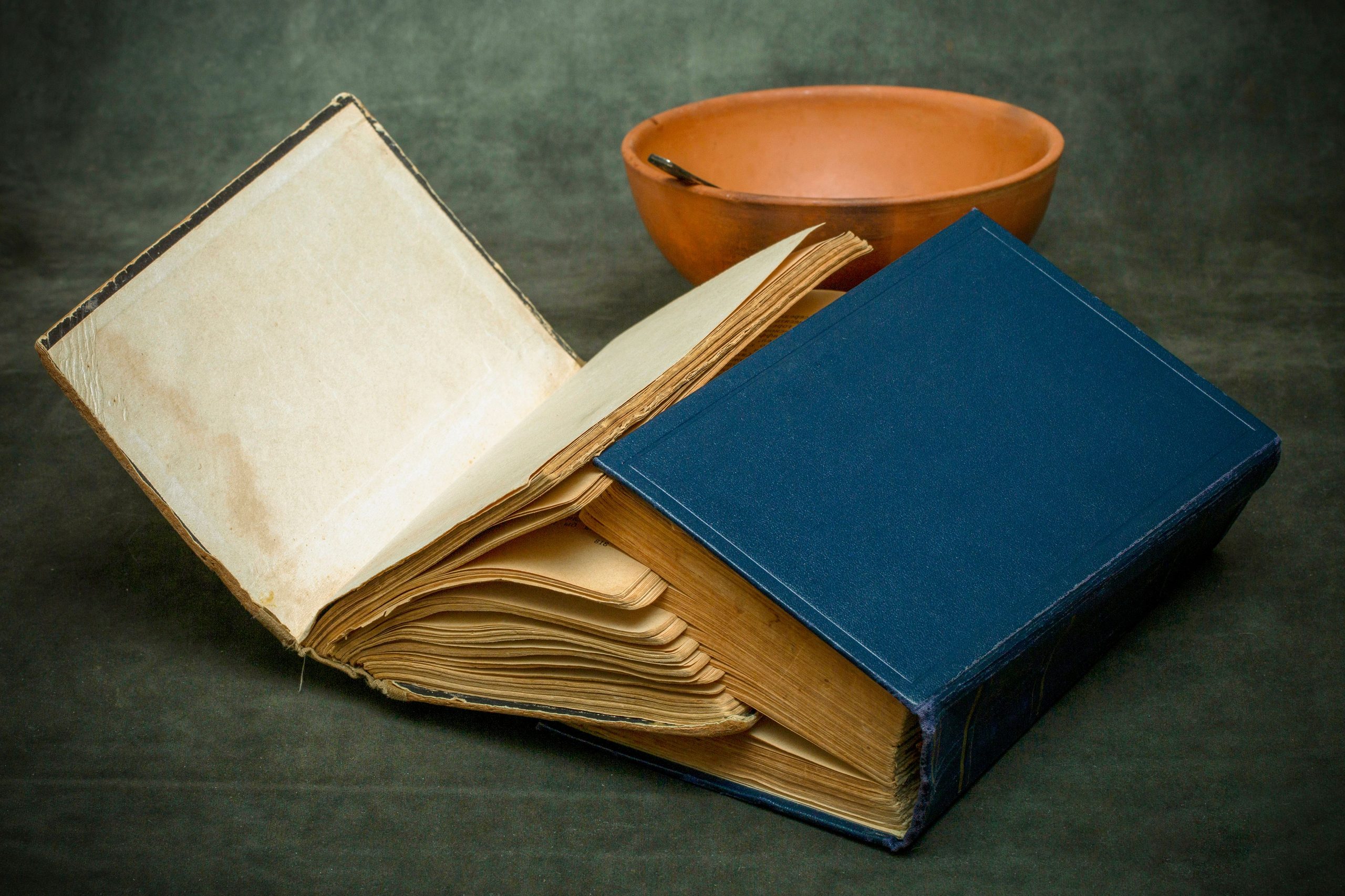
History books usually tell us about major events, political changes, economic movements, and influential personalities. They provide dates and explanations that help organize the past. Yet some of the most revealing evidence about a generation can be found outside formal historical records. A worn school notebook, an old kitchen utensil, a bus ticket, or a mobile phone can sometimes explain everyday life more vividly than an entire chapter of historical analysis.
Ordinary objects carry traces of routines, priorities, limitations, and aspirations. Looking closely at what people used can therefore offer a surprisingly personal way to understand how different generations lived.
School Supplies Reflect Changing Approaches to Learning
Consider the objects students have carried to school over different decades. Previous generations relied heavily on notebooks, printed textbooks, pencils, rulers, dictionaries, and handwritten assignments. Today, laptops, tablets, digital learning platforms, and online resources increasingly share that role.
These objects reveal more than technological progress. They show how access to information has changed. A student who once had to search through several books can now locate information in seconds. Even administrative and educational processes increasingly happen through digital platforms. A phrase such as prerna portal up.in login, for example, reflects a world in which education related information and processes can be connected with online systems.
The contents of a student’s school bag can therefore provide clues about the educational environment of an entire period.
Household Items Preserve Everyday Family History
Kitchens, living rooms, and storage cupboards are filled with objects that tell stories about changing lifestyles. A handwritten recipe notebook may reveal how meals were passed between generations. An old pressure cooker might represent a period when families prepared nearly everything at home. A collection of reusable glass containers can reveal different attitudes toward packaging and consumption.
These objects are valuable because they record ordinary behavior rather than exceptional events. When someone discovers an unfamiliar household item and decides to check here or search online for its original purpose, the experience also demonstrates how modern generations interpret older objects through digital tools.
What once required knowledge passed directly between relatives can now be rediscovered through online information.
Energy Related Objects Show Changing Priorities
Objects connected with household energy are particularly revealing. Kerosene lamps, coal stoves, early electric appliances, traditional meters, solar panels, and smart energy devices each belong to different stages of technological development.
They also show how priorities have shifted. Earlier households were often concerned primarily with obtaining reliable access to energy. Modern conversations increasingly include efficiency, renewable resources, environmental impact, and household energy independence.
Terms such as pm surya ghar assam belong to this changing landscape, where discussions about residential energy can involve government programs, digital information, and solar technology. A rooftop solar installation may eventually become an object future generations examine to understand today’s attitudes toward electricity and sustainability.
Work Tools Capture Economic Change
The workplace offers another collection of objects that can tell generational stories. Typewriters, paper ledgers, punch cards, desktop computers, landline telephones, biometric devices, and smartphones each represent different working environments.
A paper attendance register suggests a workplace built around physical presence and manual administration. A laptop connected to cloud based systems represents a much more flexible and digitally managed working culture.
Even terms encountered through systems such as hrknl.com can become part of this record. Digital portals, online applications, electronic documents, and automated workplace processes demonstrate how employment administration has gradually moved away from physical paperwork.
Future historians may study screenshots and digital records much as researchers today examine old letters and office documents.
Business Objects Reveal Changing Ambitions
A small shop’s handwritten account book can say a great deal about entrepreneurship in an earlier generation. So can a mechanical cash register, printed business card, receipt book, or physical storefront sign.
Modern entrepreneurs may instead rely on QR codes, smartphones, digital payments, online registration, and social media pages. Programs associated with entrepreneurship, including Udyami Yojana, also reflect an environment where individuals can encounter business opportunities, financial information, and institutional support through increasingly organized channels.
The tools used by entrepreneurs reveal what resources were available to them and what obstacles they had to overcome.
Everyday Objects Make History Personal
Major historical events explain what changed, but ordinary objects often show what those changes actually felt like. A cassette tape explains entertainment differently from a timeline of technological innovation. A handwritten letter reveals communication habits that statistics cannot fully capture. An old train ticket can preserve memories of mobility, affordability, and daily routines.
Every generation leaves behind thousands of such clues. Individually, they may appear insignificant. Together, they create a detailed portrait of everyday life.
History books remain essential for understanding the larger forces that shape societies. Ordinary objects provide something complementary: evidence of how people actually experienced those forces. Sometimes the smallest possessions can reveal the biggest differences between generations.