
What To Do After A Dog Bite—And When To Contact An Attorney?
Summary
A dog bite can occur in an instant when a stray lunges unexpectedly or when a friendly pet suddenly turns hostile. Regardless of the situation, the aftermath can be painful, confusing, and emotionally distressing. From seeking medical care to understanding […]
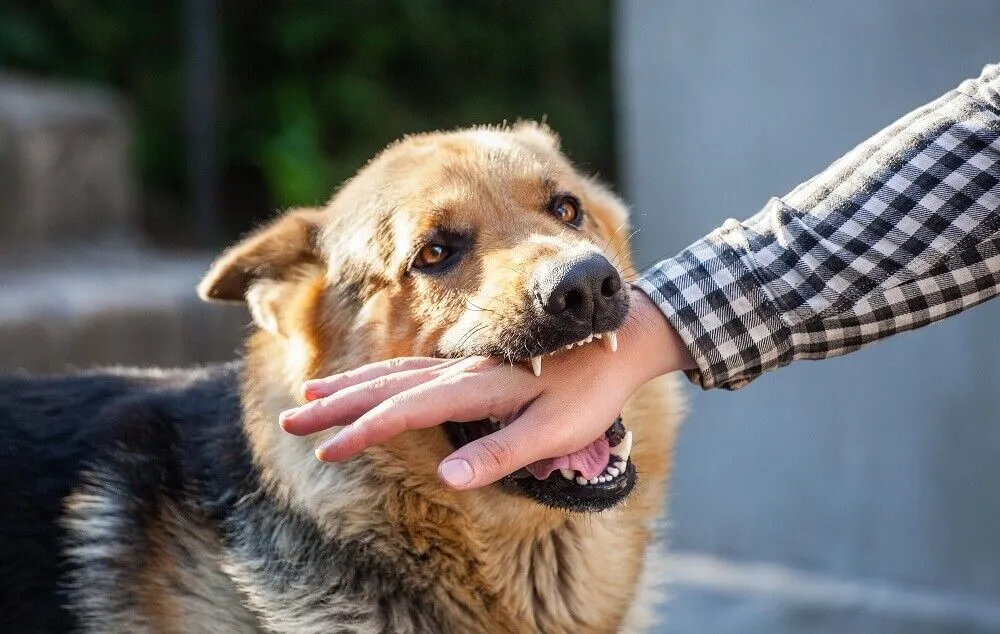
A dog bite can occur in an instant when a stray lunges unexpectedly or when a friendly pet suddenly turns hostile. Regardless of the situation, the aftermath can be painful, confusing, and emotionally distressing. From seeking medical care to understanding your legal rights, the steps you take immediately after the incident can determine how well you recover both physically and financially. Knowing when to call a dog bite attorney is equally important, as professional legal guidance can make all the difference in protecting your future. Consulting a skilled lawyer for dog attack in Denver ensures that every aspect of your case — from proving liability to negotiating fair compensation — is handled with the precision and local expertise needed to achieve the best possible outcome.
Step 1: Prioritize Your Health And Safety
The very first step after a dog bite is to seek medical attention. Even what appears to be a small puncture wound can lead to infections, nerve damage, or other complications if left untreated. Dogs carry bacteria such as pasteurella and capnocytophaga, which can cause severe infections. In addition, if the dog’s vaccination status is unknown, you may need a rabies or tetanus shot immediately.
If possible, identify the dog and its owner before leaving the scene. This information will be crucial later for both medical treatment and legal purposes. Your health should always come first, but documenting the details early ensures you have the necessary information for a potential claim.
Step 2: Report The Incident
After receiving medical care, report the attack to your local animal control or law enforcement agency. In addition to helping officials make sure the animal is appropriately quarantined and vaccinated, this establishes an official record of the incident. In many jurisdictions, failure to report a dog bite can allow the owner to deny or alter the facts later.
An official report also strengthens your potential legal case by providing an unbiased account of the event. A dog bite lawyer can use this documentation to establish credibility and accountability, especially if there are disputes about what happened.
Step 3: Gather Evidence
If you are able, collect as much evidence as possible at the scene or shortly after. This includes photographs of your injuries, torn clothing, the dog, and the location of the attack. Write down whatever information you can recall, such as whether the dog was acting violently or was released, and collect the contact information of witnesses who witnessed the incident.
Your attorney for dog bite cases will later use this evidence to support your claim and demonstrate negligence or liability. Even small details, like the presence of warning signs or lack thereof, can play a major role in the outcome of your case.
Step 4: Avoid Direct Communication With The Dog Owner’s Insurance
In many cases, the dog owner’s homeowner or renter’s insurance company will reach out soon after the incident. They might seem friendly, but their main goal is to minimize the payout. Accepting a quick settlement may prevent you from recovering the full cost of your medical bills, future treatments, or emotional trauma.
This is the stage where you should contact a dog bite attorney. They will take care of all correspondence with insurers, making sure that you don’t unintentionally accept a lowball offer or have your remarks used against you. Early legal involvement allows you to concentrate on your recuperation while knowing that your legal rights are being upheld.
Step 5: Understand Your Rights And Potential Compensation
Dog bite victims may be eligible for reimbursement for lost income, medical costs, pain and suffering, and even psychological damage like PTSD. However, the process for obtaining compensation varies depending on the state’s laws — whether it follows “strict liability” or requires proof of negligence.
An experienced dog bite lawyer understands these distinctions and will evaluate your case based on the local statutes and available evidence. They will ensure that your claim includes both immediate and long-term damages, accounting for future treatment or therapy if necessary.
Step 6: Know When To Contact An Attorney
As soon as you can after the occurrence, preferably after you’ve filed a formal report and obtained medical attention, you should get in touch with a dog bite lawyer. A lawyer can better preserve evidence, interview witnesses, and fulfill crucial filing deadlines if you hire them early.
Legal representation is especially important if the attack resulted in serious injuries, disfigurement, or emotional trauma. From negotiating settlements to representing you in court if necessary, a knowledgeable lawyer will help you every step of the way.